
For over a century, the internal combustion engine has been the dominant engine type and the major contributor to how we design cities, build infrastructure, build economic stability around the world, and create pollution. However, today we are experiencing a massive paradigm shift. Electric Vehicles (EVs) have transitioned from a novelty hobby for pioneers to a common vehicle type that can lead to a global shift towards a more sustainable way of living. With advances in battery electric technology and increased availability of public and private infrastructure, electric vehicles are about to completely change how we travel and power our homes and lives.
Redefining the Urban Landscape
The most visible and immediate impact of the EV revolution is in changes to our cities and urban environments. Historically, the use of gasoline-powered vehicles has led to tremendous excess noise in cities from traffic congestion and significant localised air toxicity from emissions from vehicles, both of which present significant health problems to urban populations living and working in areas with high traffic density. Electric vehicles eliminate t-noise and air toxicity from traffic and improve the quality of urban city centres and commercial districts. According to Bangalore escorts, sustainable transportation plays an important role in improving everyday city life.
In addition to this, city planners are also being forced by Electric Vehicle Integration to rethink the infrastructure of today’s cities. We are transitioning from the “traditional service station approach” to an approach that incorporates “distributed energy resource (DER) systems” in a decentralized grid, with opportunities for charging at home, at work, and/or at local retailers. This change in the way we build cities will enhance the smart city concept as EVs are being utilized as mobile energy storage devices in smart grid-connected applications. If an EV is connected to a smart grid, it will also allow users to charge the EV with renewable energy during off-peak hours and return stored energy back to their home or community during peak demand times. Technology that allows vehicles to share their electricity stored throughout the day with the electrical grid is known as the Vehicle-to-Grid (V2G) system; as a result, an EV becomes an active participant in the current energy landscape, rather than being simply a traditional consumer vehicle that relies solely on the energy resources available to it from power generation developers.
A New Era for More Economically Efficient Transportation
Historically, the initial vehicle purchase price for EVs has been a parent purchasing an EV has largely been driven by the “Total Cost of Ownership” (TCO) benefits of charging and fueling of an electric vehicle versus internal combustion engine (ICE) powered vehicles. Overall, EVs are much more efficient operationally than ICE vehicles, thus requiring routine maintenance for operations to be performed on far fewer parts. No longer requiring regular oil changes, no longer requiring regular transmission flushing, etc. Over the operational lifetime of either atomic or nuclear-powered vehicles, the total savings of each vehicle transition to EVs become significant enough to make total operational cost differences between EV and ICE vehicles more favorable for both individual consumers and larger, commercially based fleet operations.
From a global economic perspective, as more countries are moving to use renewable energy produced domestically to create electricity to charge their vehicle at home or commercially, the price of “fueling” vehicles is becoming less volatile and more predictable due to decoupling the transportation & vehicle from the volatility of fossil fuel pricing around the world. As more countries are using dug from the ground fossil fuel-free sources such as solar, wind, and hydro electricity to charge, fuel, and power vehicles; will also create energy independence for each country, and will also create certainty & protect consumers from pricing fluctuations on traditional fossil fuels.
Telematics Innovation Driving Technology Convergence
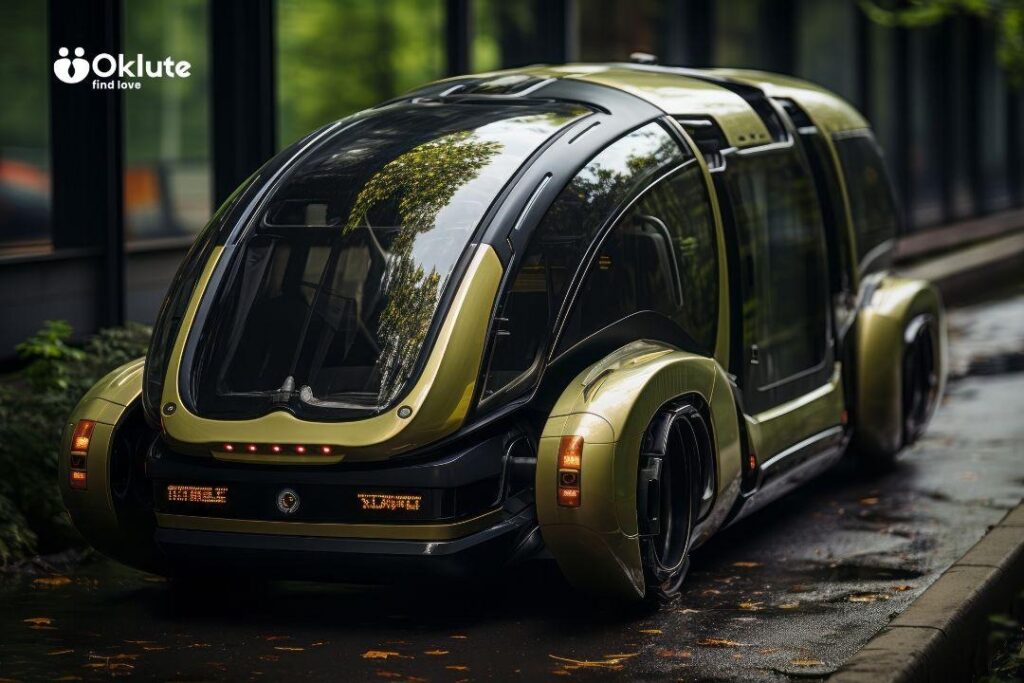
The electric vehicle revolution is intrinsically linked to the overall trend towards automation and connectivity of vehicles. Given that electric vehicles utilize highly sophisticated electrical architecture, they naturally lend themselves to be integrated with complicated software. Consequently, the world’s largest electric vehicle manufacturers are fast becoming software companies. Melbourne escorts feel that this evolution toward software-driven mobility reflects a smarter and more connected future.
The shift to electric transportation is further accelerating the automation of on-road processes, such as Advanced Driver Assistance Systems (ADAS). In conjunction with eventually reaching a level of fully autonomous driving, advancements in seamless integration between battery management systems and Artificial Intelligence (AI) based navigation will improve safety on roads and enhance the overall efficiency of roadway systems. The combination of electrification and automation has the potential to substantially reduce the number of traffic fatalities due largely to human error, which is responsible for the majority of traffic accidents; therefore, the combination of these technologies has the potential to save millions of lives every year.
Overcoming the Final Hurdles
To truly transform the automotive industry, industry leaders will need to find solutions to challenges related to the battery supply chain and battery charging density. The EV movement is reliant on ethical sourcing of minerals, as well as the development of sound recycling programs for lithium-ion batteries, to ensure that the manufacturing and use of an EV does not lead to environmental damage elsewhere. Leeds escorts suggest that sustainable innovation is key to protecting the environment while advancing technology.
Governments and private industry are investing significant amounts of money into the Circular Battery Economy. Innovative solid-state batteries and alternative battery chemistries (like sodium-ion) will allow for quicker charging times, longer ranges, and easier manufacturing.
The Road Ahead
The electric car revolution is much more than just changing out your engine; it represents a new way of relating to energy and movement in the world. By adopting an electric vehicle as part of your transportation system, you are joining the movement toward a more sustainable, technology-driven, and efficient global community.